

The Positive Crankcase Ventilation (PCV) valve is a critical component in modern internal combustion engines, playing a vital role in both performance and emissions control. In this blog post, we will explore what a PCV valve is, how it works, and why it is essential for maintaining the efficiency and longevity of your vehicle's engine.

What is a PCV Valve?
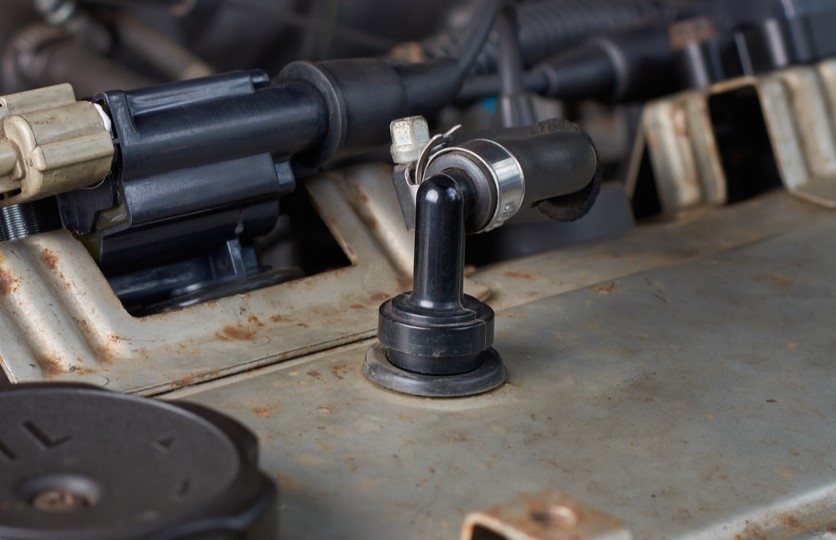
The PCV valve, often referred to as the "breather valve," is a small, but highly important, device located in the engine's crankcase. Its primary function is to regulate the flow of gases from the crankcase to the intake manifold. In older vehicles, crankcase gases were simply vented to the atmosphere, which led to pollution and inefficiency. However, with the introduction of the PCV system, these gases are now redirected back into the engine, where they are burned during the combustion process.
How Does the PCV Valve Work?
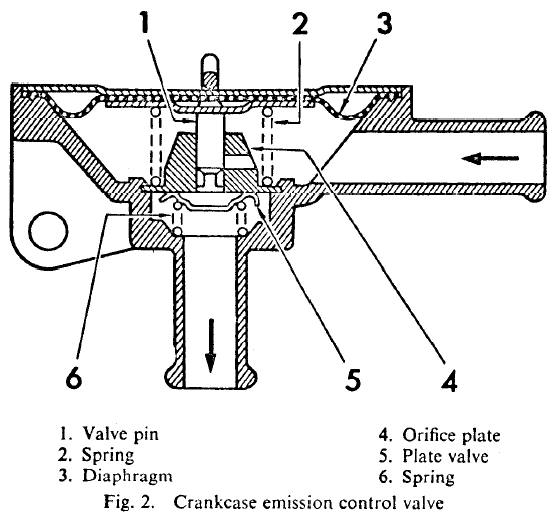
The crankcase is the lower part of the engine where the crankshaft operates. During the combustion process, small amounts of unburned fuel and exhaust gases can leak past the piston rings and enter the crankcase. If these gases are allowed to accumulate, they can cause pressure buildup, leading to oil leaks, contamination, and even damage to the engine over time.The PCV valve acts as a one-way valve, allowing these gases to escape from the crankcase but preventing them from flowing back into the engine. Instead, it directs them through a hose to the intake manifold, where they are mixed with fresh air and burned during combustion. This process not only reduces emissions but also improves engine efficiency by utilizing otherwise wasted gases.
Why is the PCV Valve Important?
1.Emissions Reduction
The PCV valve is a key part of a vehicle's emissions control system. By redirecting crankcase gases back into the engine, it minimizes the release of harmful pollutants like hydrocarbons and carbon monoxide into the atmosphere.
2.Oil Contamination Prevention
Without a PCV valve, crankcase gases could mix with engine oil, leading to contamination. This would degrade the oil's performance and potentially damage internal engine components.
3.Engine Efficiency
By reintroducing crankcase gases into the combustion process, the PCV valve helps to reduce fuel consumption and improve engine performance. This is especially beneficial in modern, eco-friendly vehicles.
4.Pressure Regulation
The PCV valve helps maintain proper pressure in the crankcase. If the pressure becomes too high, it can lead to oil leaks, which can be both messy and costly to repair.
Common Issues with the PCV Valve
Like any mechanical component, the PCV valve can experience wear and tear over time. Here are some common issues to watch out for:
1.Clogging
Dirt, debris, or oil can accumulate in the PCV valve, causing it to become clogged. This can lead to poor engine performance, increased emissions, and even oil leaks.
2.Sticking
If the PCV valve becomes stuck, it may not open or close properly. This can result in either too much or too little airflow, disrupting the engine's balance.
3.Leaking
Over time, the gasket or seal around the PCV valve may deteriorate, leading to leaks. This can contaminate the engine oil and reduce the valve's effectiveness.
Signs of a Faulty PCV Valve
Engine Knocking or Pinging
If the PCV valve is clogged or malfunctioning, it can cause uneven pressure in the crankcase, leading to engine knocking.
Oil Leaks
A stuck or worn-out PCV valve may cause oil to leak from the engine, leaving puddles under your vehicle.
Reduced Fuel Efficiency
If the PCV valve is not functioning correctly, your engine may not burn fuel efficiently, resulting in reduced mileage.
Exhaust Odor
Malfunctioning PCV valves can allow crankcase gases to escape into the cabin, causing unpleasant exhaust odors.
Check Engine Light
Modern vehicles are equipped with sensors that detect crankcase pressure. If the PCV valve is faulty, it may trigger the check engine light.
Maintaining and Replacing the PCV Valve
Regular maintenance is essential to ensure the PCV valve operates effectively. Here are some tips:
1.Check for Clogs
Inspect the PCV valve and its associated hoses for dirt or debris. Clean or replace them if necessary.
2.Replace the Valve Periodically
Most manufacturers recommend replacing the PCV valve every 30,000 to 50,000 miles. Refer to your vehicle's maintenance manual for specific guidelines.
3.Monitor Engine Performance
If you notice any of the symptoms mentioned above, have your PCV valve checked by a qualified mechanic.
Conclusion
The PCV valve is a small but indispensable part of your vehicle's engine. It not only helps protect the environment by reducing emissions but also ensures the engine runs smoothly and efficiently. Regular maintenance and timely replacement of the PCV valve can prevent costly repairs and keep your vehicle running like new.