

Pressure control valves are critical components in industrial and fluid systems, playing a vital role in maintaining the integrity and efficiency of processes. These valves are designed to regulate, relieve, or control the pressure of fluids, gases, or steam within a system, ensuring optimal performance and preventing potential hazards. Whether in manufacturing, chemical processing, or energy production, understanding the functions, types, and applications of pressure control valves is essential for engineers, technicians, and system operators. This blog will delve into the world of pressure control valves, exploring their importance, operational mechanisms, and real-world uses.
What Are Pressure Control Valves?
Pressure control valves are devices that monitor and manage the pressure of a fluid or gas within a pipeline or system. They are part of a broader category of control valves and are specifically engineered to maintain pressure levels within a desired range. These valves operate by either opening or closing in response to changes in pressure, ensuring that the system functions safely and efficiently.

Types of Pressure Control Valves
1.Relief Valves (Safety Valves):
Relief valves are designed to protect systems from overpressure by releasing excess fluid or gas when pressure exceeds a set limit. They are commonly used in boilers, pressure vessels, and pipelines.
2.Pressure Reducing Valves:
These valves are used to reduce high inlet pressure to a lower, more manageable outlet pressure. They are essential in applications where downstream equipment requires a specific pressure level.
3.Blowdown Valves:
Blowdown valves are used to release pressure from a system during maintenance or emergencies. They are often found in steam boilers and pressure tanks.
4.Vacuum Valves:
Vacuum valves prevent systems from collapsing by maintaining a minimum pressure level, typically in applications where vacuum conditions are present.
5.Pressure Switching Valves:
These valves use pressure changes to activate or deactivate other system components, such as alarms or pumps.
How Pressure Control Valves Work
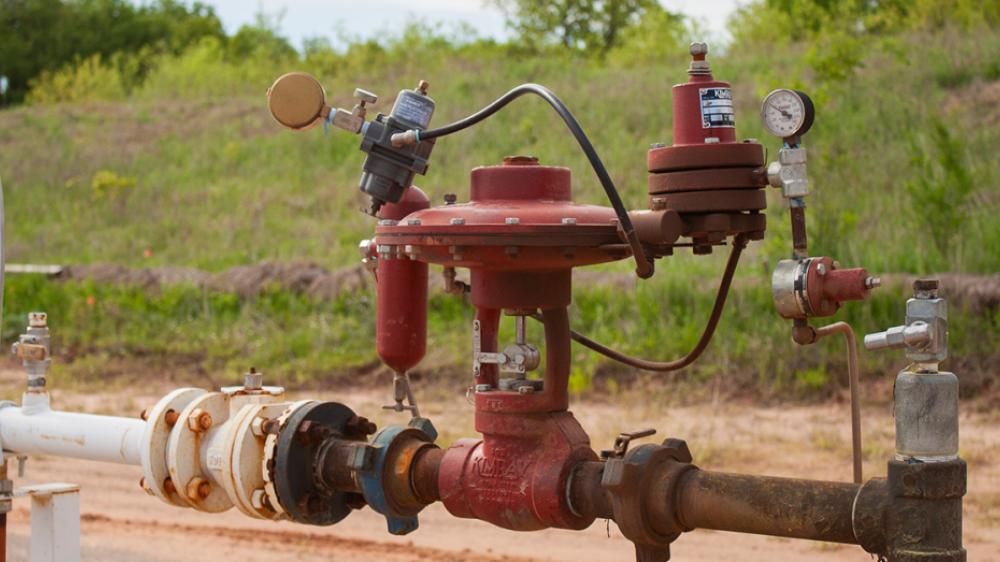
Pressure control valves operate based on the principle of balancing forces. When the pressure in the system reaches a predetermined level, the valve either opens or closes to regulate the flow of the fluid or gas. This balance is achieved through springs, diaphragms, or other mechanical elements that respond to pressure changes.For example, in a relief valve, the spring is set to a specific pressure. When the system pressure exceeds this set point, the spring is compressed, allowing the valve to open and release the excess pressure. Once the pressure drops back to the desired level, the spring returns to its original position, closing the valve.
Applications of Pressure Control Valves
Oil and Gas Industry:
Pressure control valves are used in pipelines, refineries, and storage systems to manage the flow of hydrocarbons and prevent overpressure situations.
Chemical Processing:
In chemical plants, these valves ensure that reactors and storage tanks operate within safe pressure limits, preventing catastrophic failures.
Power Generation:
Steam turbines and boilers rely on pressure control valves to regulate steam flow and maintain optimal operating conditions.
Water and Wastewater Treatment:
Pressure control valves are used to manage the flow of water in pumps, pipelines, and treatment systems, ensuring consistent pressure levels.
In heating, ventilation, and air conditioning systems, these valves help regulate the pressure of refrigerants and ensure proper system functioning.
Why Are Pressure Control Valves Important?
Safety: Pressure control valves prevent overpressure, which can lead to equipment failure, explosions, or other dangerous scenarios.
Efficiency: By maintaining consistent pressure levels, these valves optimize system performance and energy consumption.
Protection of Equipment: Sudden pressure spikes or drops can damage machinery. Pressure control valves act as safeguards to protect equipment from such fluctuations.
Compliance: Many industries are subject to strict safety regulations. Using the right pressure control valves ensures compliance with these standards.
Choosing the Right Pressure Control Valve
Selecting the appropriate pressure control valve for a specific application requires careful consideration of several factors:
1.System Pressure Requirements:
Determine the maximum and minimum pressure levels the system will operate under.
2.Fluid Type:
Consider whether the system handles liquids, gases, or steam, as different valve types are suited for different fluids.
3.Flow Rate:
The valve must be capable of handling the required flow rate without causing pressure drops or inefficiencies.
4.Material Compatibility:
Choose a valve material that is compatible with the fluid or gas being handled to prevent corrosion or wear.
5.Regulatory Standards:
Ensure the valve meets industry-specific safety and performance standards.
Maintenance Tips for Pressure Control Valves
To ensure the reliable operation of pressure control valves, regular maintenance is crucial:
1.Inspect for Wear and Tear:
Check the valve components, such as springs, diaphragms, and seals, for signs of wear or damage.
2.Calibrate Regularly:
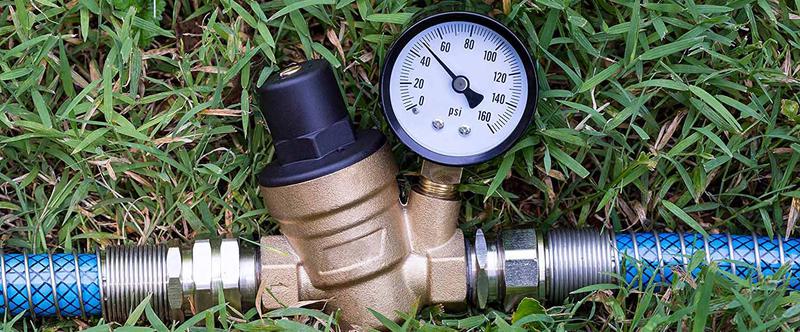
Pressure control valves must be calibrated to maintain accurate pressure regulation. This is especially important in critical systems.
3.Clean and Lubricate:
Remove any dirt or debris from the valve and lubricate moving parts to ensure smooth operation.
4.Test Functionality:
Periodically test the valve under various pressure conditions to confirm it opens and closes as intended.
5.Replace Components as Needed:
Replace worn-out or damaged parts promptly to avoid system failures.
Conclusion
Pressure control valves are indispensable in modern industrial systems, offering safety, efficiency, and protection for equipment and processes. By understanding their types, functions, and applications, professionals can make informed decisions about selecting and maintaining these valves. Proper maintenance and regular inspections are key to ensuring their longevity and reliability. Whether you're designing a new system or upgrading an existing one, pressure control valves are a cornerstone of effective pressure management.
