

Pilot valves are small, yet crucial components in various industries, including automotive, hydraulic, and pneumatic systems. They play a significant role in controlling the flow of fluids or gases by regulating the operation of larger valves or actuators. In this blog, we will explore the different types of pilot valves, their functions, and their importance in modern automotive and industrial applications.
What is a Pilot Valve?
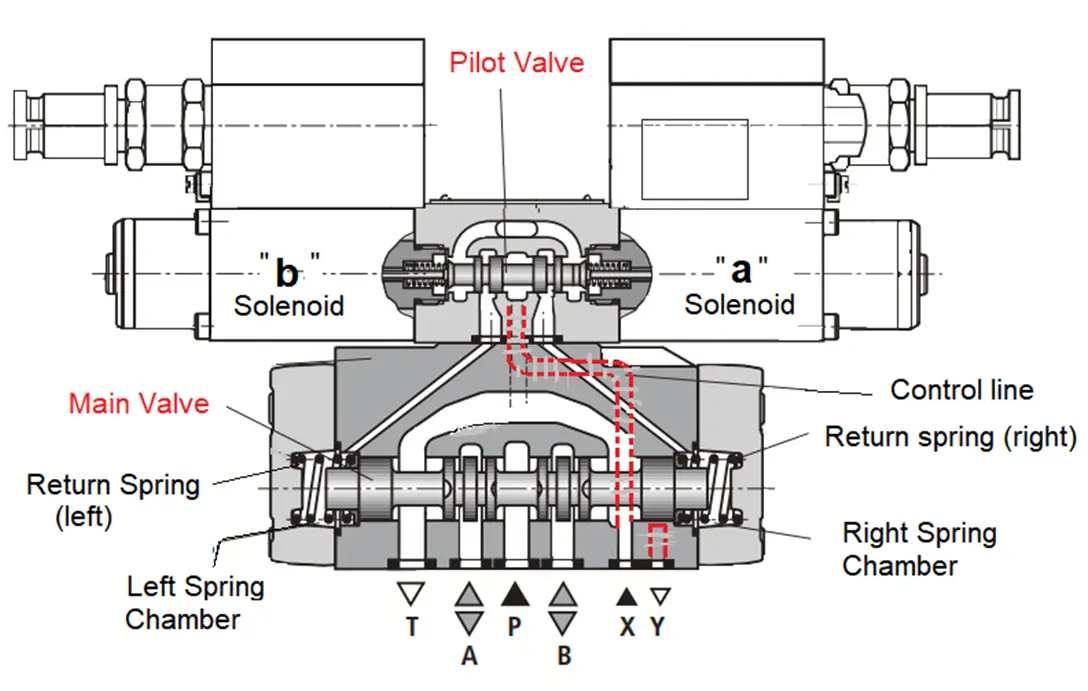
A pilot valve is a control element that uses a small flow of fluid or gas to actuate or regulate a larger valve or system. It operates by creating a pressure difference or flow signal that triggers the main valve to open, close, or adjust its position. Pilot valves are often used in hydraulic and pneumatic systems to simplify control mechanisms and reduce the effort required to operate large valves.In the automotive industry, pilot valves are commonly found in braking systems, suspension systems, automatic transmissions, and fuel injection systems. Their ability to provide precise control makes them indispensable in ensuring the efficient and safe operation of vehicles.

Types of Pilot Valves
Pilot valves come in various designs and configurations, each tailored to specific applications. Below are some of the most common types:
1. Mechanical Pilot Valves
Mechanical pilot valves are activated by physical movement, such as the rotation of a handle or the depression of a button. They are often used in manual control systems, such as those found in gearboxes or manual transmissions. For example, in a manual transmission, a pilot valve may control the flow of hydraulic fluid to engage or disengage gears.
2. Electronic Pilot Valves
Electronic pilot valves are controlled by electrical signals, making them ideal for automated systems. They are commonly used in modern vehicles with electronic control units (ECUs) to manage functions like anti-lock braking systems (ABS), traction control, and electronic stability control (ESC). These valves can quickly respond to sensor inputs, ensuring precise and timely adjustments.
3. Pneumatic Pilot Valves
Pneumatic pilot valves use compressed air or gas to actuate the main valve. They are widely used in industrial settings and certain automotive applications, such as air suspension systems. By controlling the flow of compressed air, these valves can adjust the height and stiffness of a vehicle's suspension, enhancing comfort and performance.
4. Hydraulic Pilot Valves
Hydraulic pilot valves are designed to work with hydraulic fluids, such as oil or transmission fluid. They are critical in systems like automatic transmissions, where they regulate the flow of hydraulic fluid to shift gears smoothly. Hydraulic pilot valves also play a role in braking systems, ensuring that the correct amount of pressure is applied to the brakes.
5. Thermal Pilot Valves
Thermal pilot valves are activated by changes in temperature. They are used in cooling systems, fuel injection systems, and other applications where temperature control is essential. For instance, in a diesel engine, a thermal pilot valve may regulate the flow of fuel based on engine temperature to optimize combustion efficiency.
6. Pressure-Activated Pilot Valves
These valves respond to changes in fluid or gas pressure. They are commonly used in braking systems, where they help modulate brake pressure to prevent wheel lock-up during emergencies. Pressure-activated pilot valves are also found in industrial machinery for controlling hydraulic or pneumatic circuits.
Key Functions of Pilot Valves
Pilot valves serve several critical functions in automotive and industrial systems:
1.Flow Regulation: They control the flow of fluids or gases to ensure proper operation of the main system.
2.Pressure Modulation: Pilot valves can adjust pressure levels, which is vital for systems like braking and suspension.
3.System Safety: By regulating pressure and flow, pilot valves help prevent system overloads and malfunctions.
4.Precision Control: They enable fine adjustments, which are necessary for systems requiring high accuracy, such as fuel injection.
5.Energy Efficiency: Pilot valves reduce the energy required to operate larger valves by using smaller control signals.
Applications in the Automotive Industry
Braking Systems
Pilot valves are integral to ABS systems, ensuring that brake pressure is evenly distributed to all wheels during braking.
They also play a role in electronic braking systems, where they help modulate pressure based on driver input and vehicle conditions.
Suspension Systems
In air suspension systems, pilot valves regulate the flow of compressed air to adjust the suspension's stiffness and height, providing a comfortable ride and improved handling.
Automatic Transmissions
Hydraulic pilot valves control the flow of transmission fluid to shift gears smoothly and efficiently, ensuring optimal performance and fuel economy.
Fuel Injection Systems
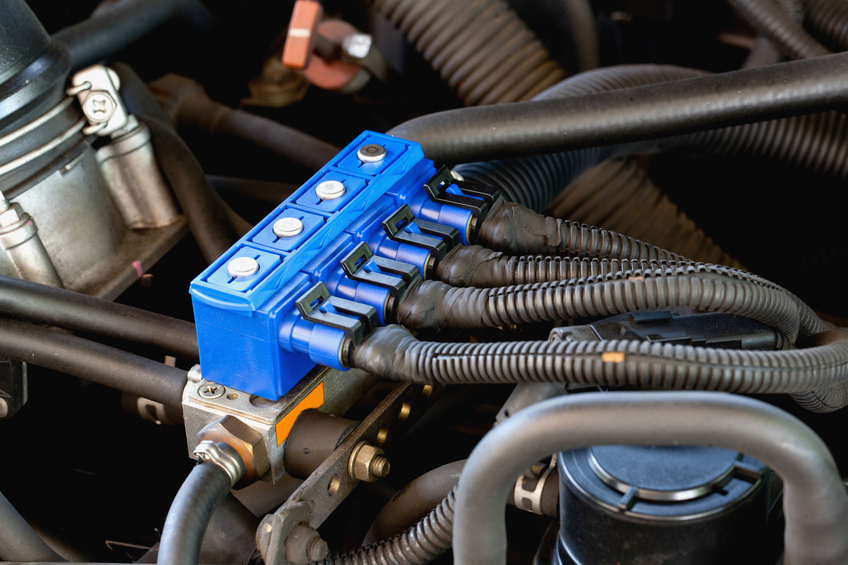
In diesel engines, pilot valves regulate the injection of fuel into the combustion chamber, optimizing engine performance and reducing emissions.
Steering Systems
Some steering systems use pilot valves to control the flow of hydraulic fluid, ensuring precise steering response and reducing driver effort.
Why Are Pilot Valves Important?
Pilot valves are essential because they simplify the control of complex systems. By using a small pilot signal, they can regulate the operation of much larger valves or actuators, reducing the energy and effort required for system control. Their ability to provide precise and responsive control makes them indispensable in modern automotive and industrial applications.Moreover, pilot valves enhance system safety and efficiency. For example, in braking systems, they prevent wheel lock-up, which could lead to accidents. In fuel injection systems, they ensure clean and efficient combustion, reducing emissions and improving fuel economy.
Conclusion
Pilot valves are small but mighty components that play a vital role in the functionality and safety of automotive and industrial systems. From braking to fuel injection, their ability to regulate fluid or gas flow with precision makes them a cornerstone of modern engineering. Understanding the types and functions of pilot valves is essential for anyone working in the automotive or industrial fields, as they are critical to system performance and reliability.