

In the realm of fluid control systems, valves play a pivotal role in regulating the flow of liquids and gases. Among the various types of valves available, the Rotary Solenoid Valve stands out as a compact, efficient, and versatile solution for applications requiring precise control over fluid direction or flow. This blog will explore the design, functionality, advantages, and applications of rotary solenoid valves, shedding light on why they are a popular choice in modern engineering.
What is a Rotary Solenoid Valve?
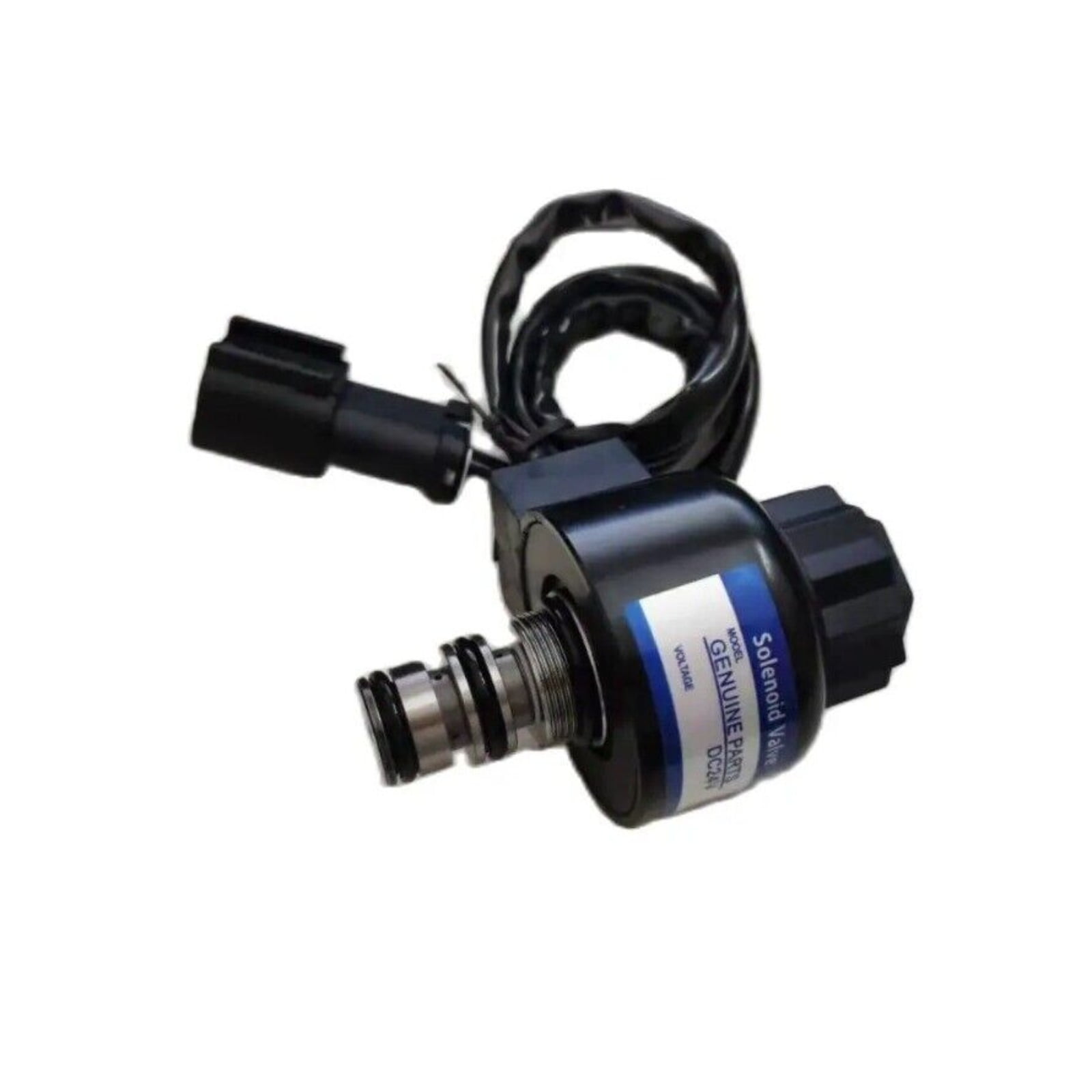
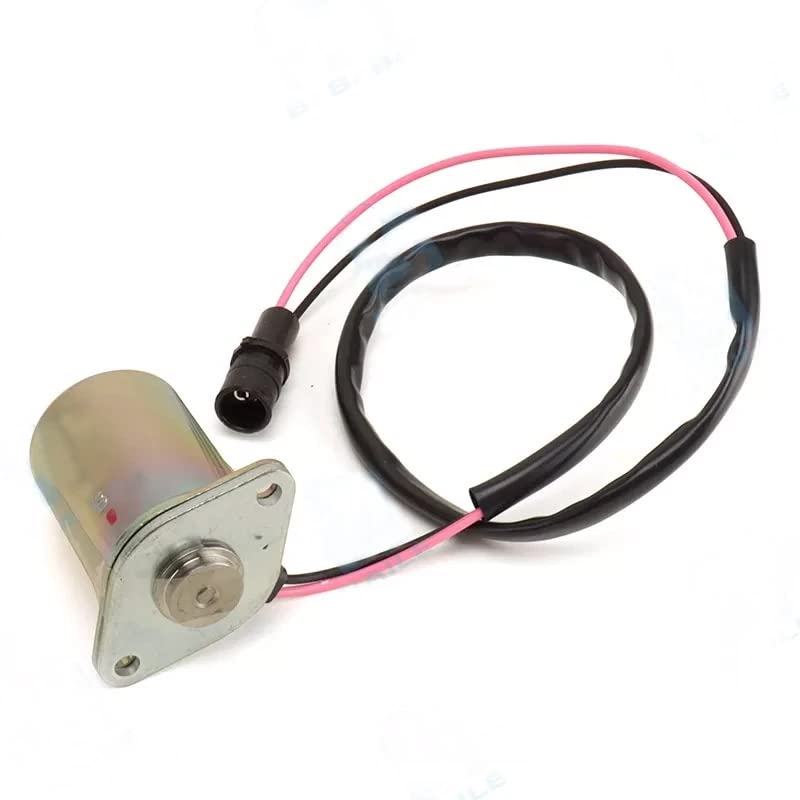
A rotary solenoid valve is an electromechanical device that uses a solenoid to actuate a rotating mechanism, which in turn controls the flow of a fluid through a pipe or channel. Unlike traditional linear solenoid valves, which move in a straight line, rotary solenoid valves rotate a disc or spool to open, close, or redirect the flow of fluid. This rotation is typically achieved through the use of a magnetic field generated by the solenoid, which interacts with a ferromagnetic core or rotor.The basic components of a rotary solenoid valve include:
1.Solenoid Coil: Generates a magnetic field when energized.
2.Rotor or Spool: A magnetically actuated component that rotates to control fluid flow.
3.Spring: Provides a return force to reset the rotor when the solenoid is de-energized.
4.Valve Body: Houses the mechanism and connects to the fluid system.
5.Ports: Entry and exit points for the fluid.
 How Does a Rotary Solenoid Valve Work?
The operation of a rotary solenoid valve is straightforward. When an electrical current is applied to the solenoid coil, it generates a magnetic field that causes the rotor to rotate. This rotation aligns or misaligns the rotor with the valve ports, controlling the flow of fluid. When the current is removed, the spring returns the rotor to its original position.For example, in a two-way rotary solenoid valve:
Position 1: The rotor aligns with the port, allowing fluid to flow freely.
Position 2: The rotor rotates to block the port, stopping the fluid flow.
In more complex configurations, such as three-way or four-way valves, the rotor can redirect fluid between multiple ports, enabling functions like mixing, diverting, or switching flows.
Advantages of Rotary Solenoid Valves
1.Compact Design: Rotary solenoid valves are smaller and more lightweight compared to linear solenoid valves, making them ideal for space-constrained applications.
2.High-Speed Operation: The rotational mechanism allows for faster actuation, making these valves suitable for high-frequency switching applications.
3.Low Power Consumption: Due to their efficient design, rotary solenoid valves often require less power to operate, reducing energy costs.
4.Longevity: The absence of linear movement reduces wear and tear, leading to longer service life.
5.Versatility: Rotary solenoid valves can handle a wide range of fluids, including gases, liquids, and even slurries, depending on the design.
6.Precision Control: They offer precise control over fluid flow, making them essential in systems requiring accurate regulation.
Applications of Rotary Solenoid Valves
Rotary solenoid valves are widely used across various industries due to their versatility and efficiency. Some common applications include:
1.Industrial Automation: In automated production lines, rotary solenoid valves are used to control the flow of compressed air or hydraulic fluid for actuators, cylinders, and other machinery.
2.Medical Equipment: These valves are critical in medical devices like ventilators, where precise control over airflow is essential for patient safety.
3.Automotive Industry: Rotary solenoid valves are employed in fuel injection systems, braking mechanisms, and climate control systems to regulate fluid flow.
4.Heating, Ventilation, and Air Conditioning (HVAC): In HVAC systems, they are used to control the flow of refrigerant or air, ensuring efficient operation of heating and cooling units.
5.Aerospace: Rotary solenoid valves are used in aircraft systems to control fuel flow, hydraulics, and pneumatic systems.
6.Water Treatment: They are utilized in water treatment plants to regulate the flow of chemicals or water between different treatment stages.
Key Considerations for Selection and Usage
When selecting a rotary solenoid valve for a specific application, several factors must be considered:
1.Fluid Type: Ensure the valve is compatible with the fluid being controlled (e.g., oil, water, gas).
2.Pressure and Flow Rate: Choose a valve that can handle the system's maximum pressure and flow requirements.
3.Operating Voltage: Verify the voltage requirements of the solenoid to match the system's power supply.
4.Environmental Conditions: Consider the operating environment, including temperature, humidity, and exposure to corrosive substances.
5.Durability and Lifespan: Evaluate the expected lifespan of the valve based on its design and materials.
Future Trends and Innovations
As technology continues to advance, rotary solenoid valves are expected to evolve further. Key trends include:
1.Smart Valves: Integration with IoT and smart sensors for real-time monitoring and control.
2.Energy Efficiency: Development of valves with even lower power consumption for sustainable applications.
3.Miniaturization: Continued shrinking of valve sizes to meet the demands of compact systems.
4.Customization: Tailored designs for specific industries, such as healthcare or aerospace, to meet unique performance requirements.
Conclusion
Rotary solenoid valves are indispensable in modern fluid control systems, offering a combination of compactness, precision, and reliability. Their ability to handle high-speed operations and a wide range of fluids makes them a preferred choice in industries ranging from automotive to medical equipment. As technology progresses, these valves will likely become even more efficient and versatile, further solidifying their role in engineering applications.
