

In the world of modern internal combustion engines, turbochargers have become a key element in improving performance and efficiency. While turbochargers themselves are highly regarded for their ability to boost power and reduce emissions, there is a crucial component that plays a vital role in their operation: the turbocharger actuator. This blog will delve into the definition, working principles, and why the turbocharger actuator is indispensable for optimizing engine performance.
What is a Turbocharger Actuator?
A turbocharger actuator, also known as an exhaust valve actuator, is a device used to control the position of the turbocharger's exhaust valve. The exhaust valve is a valve in the turbocharging system that regulates the flow of exhaust gases, either directing them through the turbine or bypassing it (via a bypass). By controlling this valve, the actuator ensures the turbocharger operates within a safe and efficient range, preventing over-boosting and maintaining optimal performance. Turbocharger actuators are typically electronic or pneumatic, with electronic actuators being more common in modern vehicles due to their higher precision and integration with the engine control unit (ECU). These actuators receive signals from the ECU and adjust the exhaust valve based on factors such as engine speed, throttle position, and desired boost level.
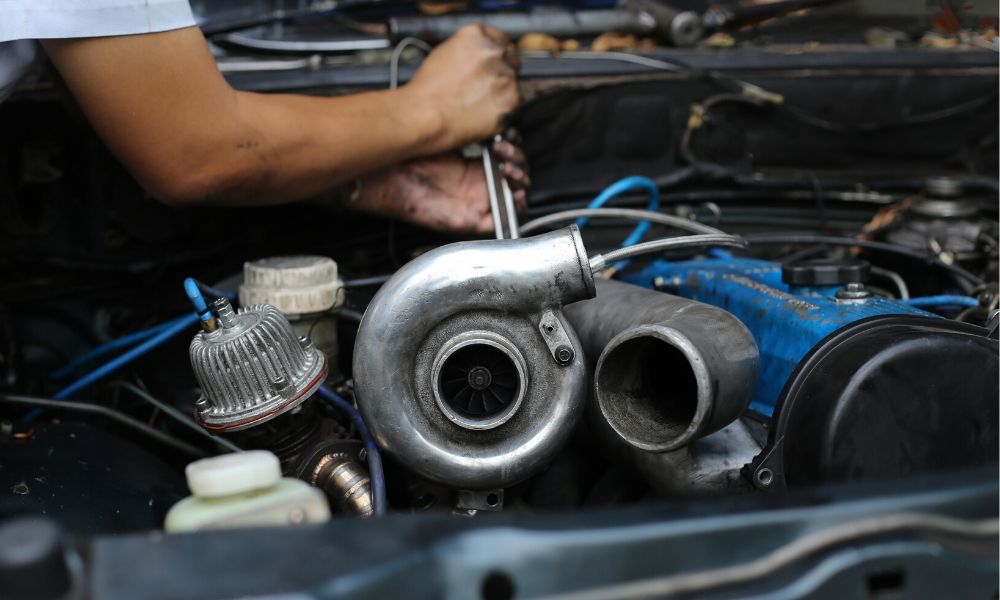
How Does a Turbocharger Actuator Work?
This actuator works in conjunction with the turbocharger's exhaust throttle valve to control the amount of exhaust gas driving the turbine. At low engine speeds, the actuator keeps the exhaust throttle valve closed, allowing all exhaust gases to pass through the turbine, thus accelerating the turbocharger and increasing boost pressure. As engine speed increases and the desired boost level is reached, the actuator slightly opens the exhaust throttle valve, diverting some of the exhaust gas away from the turbine to prevent excessive boost pressure from damaging the engine. This precise control is crucial for performance, efficiency, and emissions reduction. For example, in sports cars or high-performance vehicles, the actuator ensures a smooth increase in boost pressure, providing precise power when needed without subjecting the engine to excessive stress and potential damage.
Types of Turbocharger Actuators
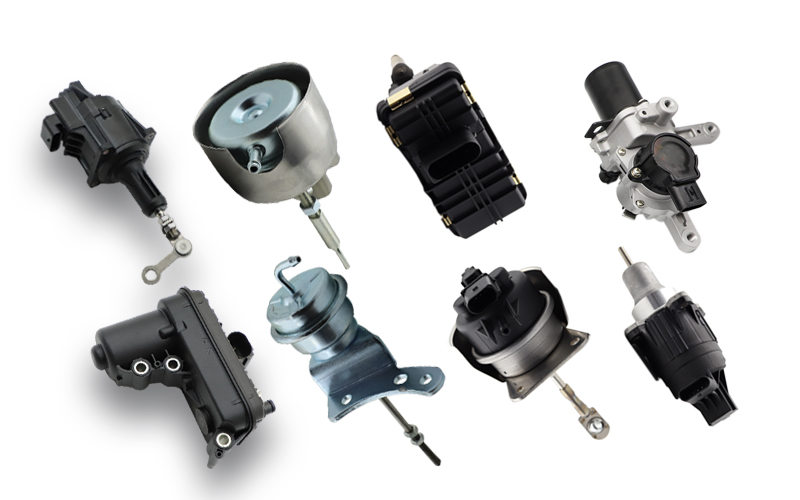
1.Electronic Turbocharger Actuators (ETA):
These are among the most advanced and widely used components in modern vehicles. Electronic turbochargers utilize electric motors to control the exhaust valves, enabling faster and more precise regulation. They are integrated with the vehicle's electronic control unit (ECU) and can make real-time adjustments based on driving conditions and engine load. Due to their ability to handle complex boost control strategies, electronic turbochargers are commonly found in diesel engines and high-performance gasoline engines.
2.Pneumatic Turbocharger Actuators:
Pneumatic actuators utilize air pressure from the engine's intake manifold to operate the exhaust valve. They have a simpler design and are less expensive than electronic actuators, but they lack the precision and response speed of electronic turbochargers (ETAs). Pneumatic actuators are typically used in applications where cost is a primary consideration and high-performance boost control is not required.
3.Hydraulic Turbocharger Actuators:
Hydraulic actuators utilize engine oil pressure to control the exhaust valve. These devices are less common now but were prevalent in older turbocharged engines. These actuators rely on oil flow to operate, and their responsiveness may be slightly slower compared to electronic or pneumatic systems.
Why is the Turbocharger Actuator Essential?
1.Preventing Overboost:
Excessive boost pressure can lead to engine damage, such as piston ring failure or detonation. This actuator ensures that the boost pressure remains within a safe range.
2.Improving Efficiency:
By precisely controlling the amount of exhaust gas driving the turbine, this actuator helps optimize fuel efficiency and reduce emissions.
3.Enhancing Performance:
In performance-oriented vehicles, actuators ensure that boost pressure rises smoothly and consistently, allowing for immediate power delivery on demand without delay.
4.Integration with Engine Management Systems:
Modern electronic actuators work seamlessly with the ECU, enabling advanced features like variable boost control and real-time adjustments for different driving modes (e.g., sport, eco, or normal).
Common Issues with Turbocharger Actuators
Like any mechanical or electronic component, turbocharger actuators can wear out or malfunction over time. Some common problems include:
1.Actuator Failure:
Electronic actuators can fail due to electrical malfunctions, such as wiring problems or motor damage. This typically results in a loss of boost control or continuous overboosting.
2.Sensor Malfunction:
If the actuator relies on a sensor (such as a boost pressure sensor), then a sensor malfunction could lead to incorrect exhaust valve positioning and an imbalance in boost pressure.
3.Carbon Buildup:
Over time, carbon deposits can build up on actuators or waste valves, leading to sticking or reduced functionality. Regular maintenance is essential to prevent this from happening.
4.Leaking or Malfunctioning Wastegate:
If the throttle body itself has leaks or poor sealing, the actuator may not function properly as expected, leading to inconsistent boost pressure.
Maintaining and Upgrading Turbocharger Actuators
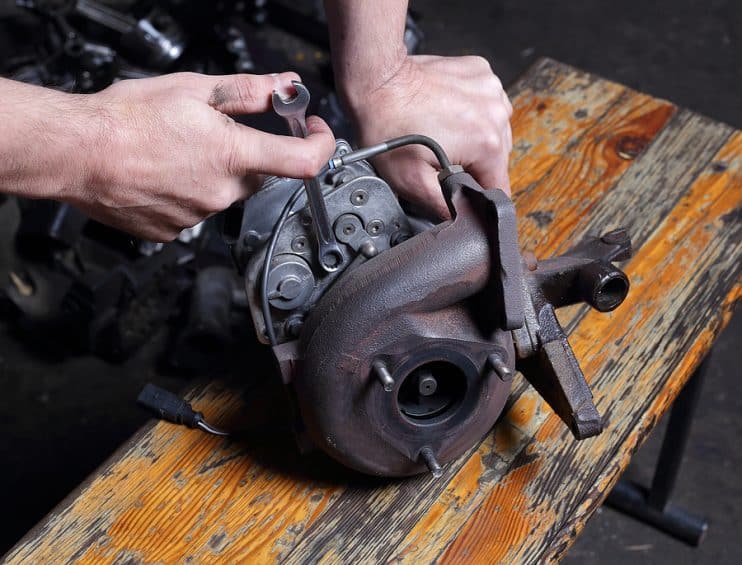
To keep your turbocharger actuator in optimal condition, regular maintenance is crucial. This includes:
• Cleaning carbon deposits: Use a high-quality carbon cleaner or have a professional clean the turbo system to remove deposits.
• Checking wires and connections: For electronic actuators, ensure all wires and connectors are secure and free of corrosion.
• Testing sensors: If your vehicle experiences boost-related malfunctions, check the sensors connected to the actuator to confirm their accuracy.
• Replacing faulty parts: If the actuator or wastegate shows signs of wear, it should be replaced immediately to avoid further damage to the engine or turbo system.
For enthusiasts looking to upgrade their vehicles, aftermarket turbocharger actuators are available. These can provide improved boost control, faster response times, and greater durability for high-performance applications. However, it's crucial to choose the right actuator for your engine and driving style to ensure optimal results.
The Future of Turbocharger Actuators
With the continuous advancement of automotive technology, turbocharger actuators are also constantly evolving. Modern actuators are becoming increasingly intelligent, featuring functions such as self-diagnosis and adaptive control. Furthermore, while the rise of electric vehicles (EVs) may reduce reliance on traditional turbocharger systems, turbochargers will remain a critical component of internal combustion engines for the foreseeable future, and actuators will play a core role in their efficiency and performance.
Conclusion
The turbocharger actuator may not be the most eye-catching component in your vehicle, but its importance cannot be underestimated. It ensures your turbocharged engine operates safely, efficiently, and effectively, delivering the power and performance you expect. Whether you drive a daily commuter car or a high-performance sports car, understanding the role of the turbocharger actuator will give you an appreciation for the complexity and precision of modern engine design. Always prioritize regular maintenance and consider upgrades when pushing your engine to its limits. After all, a properly functioning actuator is key to unlocking the full potential of your turbocharger!