

Air compressors play an indispensable role in numerous industries, from manufacturing to automotive and construction. They provide compressed air to power tools, equipment, and processes, making them the cornerstone of modern industrial operations. However, with their critical role comes an undeniable responsibility to ensure their safe and reliable operation. Among the most critical components of an air compressor, the safety valve is particularly important—a device that prevents catastrophic failure by regulating pressure and maintaining system integrity. In this blog, we will delve into the importance of safety valves, their functions, and maintenance best practices to ensure optimal performance and workplace safety.
What is the Role of Safety Valve in an Air Compressor?
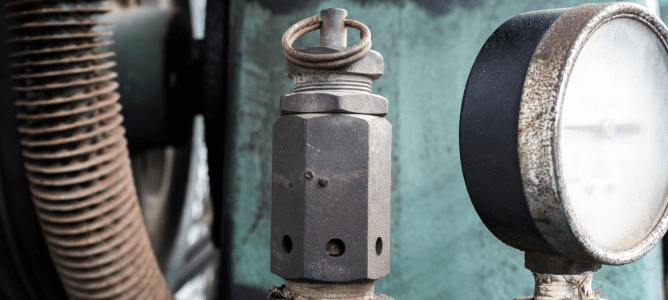
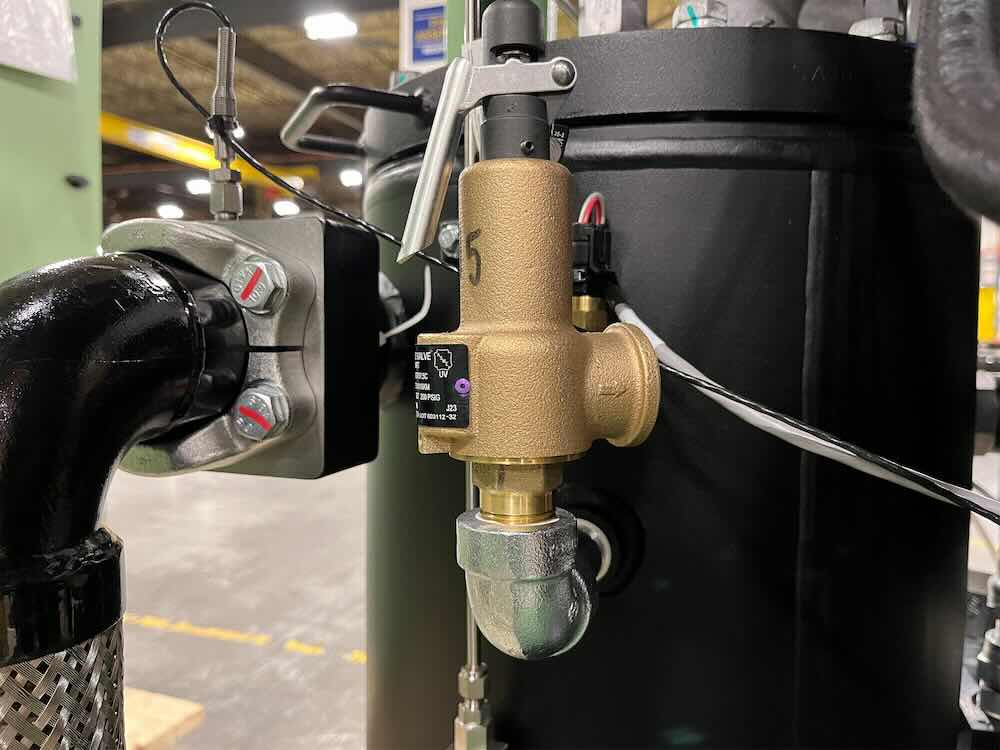
A safety valve, also known as a relief valve, is a mechanical device installed in an air compressor system to release excess pressure when it exceeds a predetermined threshold. This prevents the system from overpressurizing, which could lead to equipment damage, explosions, or other dangerous scenarios. Safety valves act as the last line of defense, ensuring that the compressor operates within safe limits at all times.
Why are Safety Valves Essential?
1. Preventing Overpressure: The main function of the safety valve is to release excess pressure when the system is overloaded. This prevents the compressor from exceeding its maximum safe operating pressure, which may cause irreparable damage or even failure.
2. Protecting Equipment and Personnel: By maintaining safe pressure levels, safety valves protect the compressor and surrounding equipment. They also ensure the safety of personnel working near the compressor, reducing the risk of accidents caused by pressure buildup.
3. Compliance with Industry Standards: Many industries have strict safety regulations and standards that require the use of safety valves in air compressor systems. Installing and maintaining safety valves ensures compliance with these standards and avoids potential legal issues.
4. Extending Equipment Lifespan: Normal operation within the safe pressure range can reduce wear on the compressor and related components, thereby extending the service life of the equipment.
Types of Safety Valves
There are several types of safety valves used in air compressors, each designed for specific applications:
1. Piston-Type Safety Valves: These valves use a piston mechanism to open and release pressure, functioning when needed. They are commonly found in smaller compressors and are known for their simplicity and reliability.
2. Diaphragm-Type Safety Valves: Diaphragm valves use an elastic diaphragm to sense pressure and open the valve. They are extremely accurate and are well suited for systems that require precise pressure control.
3. Balanced-Piston Safety Valves: These valves utilize a balanced piston design to regulate pressure, making them ideal for high-pressure applications. They are known for their durability and ability to withstand heavy-duty operation.
4. Pop Safety Valves: This type of exhaust valve is found on smaller compressors. It's spring-actuated and opens quickly when pressure exceeds a set limit. Its simple structure is highly effective, effectively preventing overpressure.

How Safety Valves Work
A safety valve works by releasing pressure. When the pressure inside the compressor exceeds a set threshold, the valve opens to release the excess air, returning the system to safe operation. Once the pressure falls below that threshold, the valve closes again. This cycle ensures that the compressor does not exceed its safety limits.
Best Practices for Maintaining Safety Valves
1. Regular Inspections: Safety valves should be inspected regularly to ensure they are functioning correctly. Look for signs of wear, corrosion, or blockages that could impede their performance.
2. Calibration: Over time, safety valves may drift from their set pressure levels due to wear or environmental factors. Regular calibration ensures that the valve opens and closes at the correct pressures, maintaining system safety.
3. Cleaning and Lubrication: Dust, dirt, and debris can accumulate on the valve components, leading to malfunction. Cleaning the valve and lubricating moving parts can help maintain its efficiency and reliability.
4. Replacing Faulty Components: If any part of the safety valve is damaged or worn out, replace it immediately. Continuing to use a faulty valve can compromise system safety and lead to catastrophic failures.
5. Following Manufacturer Guidelines: Always adhere to the manufacturer's recommendations for maintenance, testing, and replacement. These guidelines are tailored to the specific design and application of the valve, ensuring optimal performance.
The Consequences of Neglecting Safety Valve Maintenance
Neglecting safety valve maintenance can have serious consequences. If a safety valve malfunctions, it may fail to open when pressure becomes too high, leading to overpressure and an explosion. Alternatively, it may open prematurely, causing an unplanned shutdown and disrupting production processes. In either case, the consequences can be costly, including equipment damage, extended downtime, and personal injury.
Conclusion
The safety valve in an air compressor is more than just a regulatory component; it's a lifeline that ensures the safe and efficient operation of the system. By preventing overpressure, protecting equipment and personnel, and ensuring compliance with industry standards, safety valves play a critical role in maintaining workplace safety. Regular inspection, calibration, and maintenance are essential to ensure these valves function properly and avoid costly consequences.