

The idle air control valve (IACV) is a crucial component in your car's engine, playing a vital role in ensuring smooth and efficient engine operation. If you're a car enthusiast or simply want to understand the inner workings of your vehicle, this blog will explain the function of the IAV, its importance, and how to troubleshoot common issues associated with it.
What is an Idle Air Control Valve?
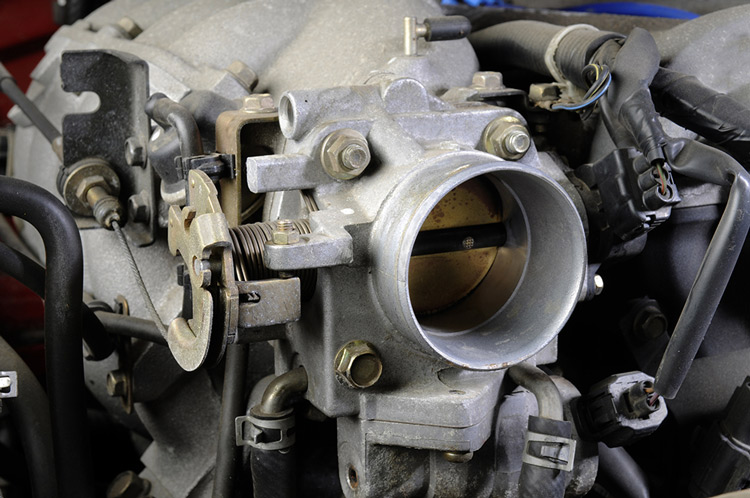
The Idle Air Control Valve (IAC) is a component in vehicles equipped with a fuel injection system that regulates the air flow into the engine at idle to ensure a smooth and consistent engine speed. It works by bypassing the closed throttle plate when the accelerator is not depressed, thus preventing the engine from stalling.
How Does the IAC Control Valve Work?
The IACV works in conjunction with the engine's electronic control unit (ECU). When the engine is idling, the ECU sends a signal to the IACV to adjust airflow. The valve opens or closes slightly to allow the appropriate amount of air into the engine to maintain the desired idle speed. This process is continuously monitored and adjusted by the ECU to ensure optimal engine performance.
Signs of a Faulty Idle Air Control Valve
Like any other component in your car, the IACV can wear out or malfunction over time. Here are some common signs that indicate your IACV might need attention:
- Engine Stalling: If your engine frequently stalls, especially when you're stopped at a traffic light or coming to a stop, it could be a sign of a faulty IACV.
- Rough Idle: A rough or unstable idle is a classic symptom of IACV issues. If the engine vibrates excessively when idling, it might be struggling to maintain the correct airflow.
- Increased Fuel Consumption: A malfunctioning IACV can lead to inefficient fuel combustion, resulting in higher fuel consumption.
- Check Engine Light: If the ECU detects a problem with the IACV, it might trigger the check engine light on your dashboard.
-
Hard Starting: Difficulty starting the engine, especially in cold weather, could be related to IACV dysfunction.

Common Causes of IACV Failure
- Carbon Buildup: Over time, carbon particles can accumulate on the IACV, causing it to stick or malfunction.
- Worn-Out Components: The valve's internal parts, such as the pintle or valve body, can wear out due to constant use.
- Electrical Issues: The IACV is controlled by the ECU, so any electrical problems, such as a faulty wiring harness or sensor, can affect its performance.
- Age and Wear: Like any mechanical component, the IACV can degrade over time, especially if it's not maintained properly.
How to Diagnose and Fix IACV Issues
If you suspect your IACV is malfunctioning, here's what you can do:
- Check for Symptoms: Start by observing the symptoms mentioned above. If your engine is stalling or idling roughly, it's a good indicator that the IACV might be the culprit.
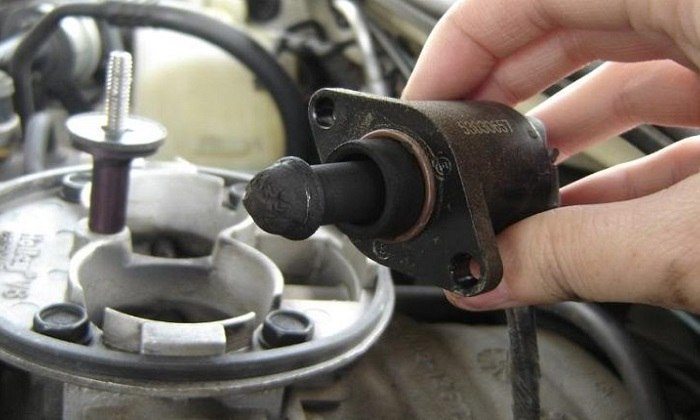
- Inspect the Valve: Locate the IACV under the hood and inspect it for any visible signs of damage or carbon buildup. A visual inspection can often reveal issues like clogs or physical damage.
- Clean the Valve: In many cases, simply cleaning the IACV can resolve the problem. You can use a throttle body cleaner or a specialized IACV cleaner to remove carbon deposits.
- Test the Valve: After cleaning, test the valve to ensure it's functioning properly. You can do this by using a scan tool to check for any remaining codes or by observing the engine's behavior during idling.
-
Replace if Necessary: If the valve is severely damaged or worn out, it might be time to replace it. Consult your car's manual or a trusted mechanic to determine the correct replacement procedure.
Preventive Maintenance Tips
- Regular Cleaning: Periodically clean the IACV to prevent carbon buildup. This can be done during routine maintenance or whenever you notice signs of malfunction.
- Check for Codes: Use an OBD-II scanner to check for fault codes related to the IACV. This can help you identify issues before they become serious.
- Replace Components as Needed: If any parts of the IACV are worn out, replace them promptly to avoid further damage to the engine.
Conclusion
TheIdle Air Control Valve plays a vital role in ensuring your car's engine runs smoothly, especially when idling. Understanding its function and recognizing the signs of failure can help you address issues early and maintain the overall performance of your vehicle. Regular maintenance and timely repairs are essential to keeping your IACV in good working condition. If you're unsure about diagnosing or fixing the problem, don't hesitate to consult a professional mechanic.
