

Switches are essential components in the automotive industry, playing a critical role in the functionality and safety of vehicles. They are responsible for controlling various electrical systems and mechanical operations within a car, ensuring that drivers can operate their vehicles efficiently and safely. In this blog, we will explore the different types of switches used in the automotive parts industry and their specific functions.
1. Ignition Switch
The ignition switch is one of the most fundamental switches in a vehicle. Its primary purpose is to control the flow of electrical power from the battery to the ignition system, allowing the engine to start. Modern cars often use an electronic ignition switch, which is more reliable and durable than traditional mechanical switches. Ignition switches can also control auxiliary systems like the radio, lights, and other electrical components.
2. Gear Shift Switch (PRND Switch)
The gear shift switch, commonly known as the PRND switch, is used in automatic transmissions to control the selection of different driving modes: Park (P), Reverse (R), Neutral (N), and Drive (D). This switch sends signals to the transmission control module (TCM) to engage the appropriate gear based on the driver's input. It ensures smooth and accurate gear changes, enhancing both performance and safety.
3. Door Switch
Door switches are located on the car doors and are used to control various functions when the door is opened or closed. For example, they can activate the interior lights, deactivate the car alarm, or even control the power windows. These switches are essential for ensuring the convenience and security of the vehicle.

4. Headlight Switch
The headlight switch controls the vehicle's headlights, allowing drivers to turn them on or off. Some cars also feature a high-beam switch, which enables drivers to adjust the brightness of the headlights for better visibility in low-light conditions. Proper functioning of these switches is crucial for safety, especially during nighttime driving.
5. Turn Signal Switch
The turn signal switch is used to indicate the driver's intention to change lanes or make a turn. When activated, it sends electrical signals to the turn indicator lights, which flash to alert other drivers on the road. This switch is a key component in maintaining road safety and communication between vehicles.
6. Windshield Wiper Switch
The windshield wiper switch controls the operation of the windshield wipers, ensuring clear visibility during rainy or foggy weather. Some vehicles also include a washer switch, which activates the windshield washer system to clean the glass. These switches are designed to be durable and weather-resistant, as they are exposed to harsh environmental conditions.

7. Brake Light Switch
The brake light switch is activated when the driver presses the brake pedal, illuminating the brake lights to signal to drivers behind the vehicle that it is slowing down or stopping. This switch is critical for maintaining traffic flow and preventing accidents.
8. Clutch Switch (for Manual Transmissions)
In manual transmission vehicles, the clutch switch is used to control the clutch mechanism. It ensures that the engine and transmission are disengaged smoothly during gear changes, providing a seamless driving experience.
9. Horn Switch
The horn switch is responsible for activating the car's horn. It is typically located on the steering wheel and allows drivers to alert other drivers or pedestrians of potential hazards. A malfunctioning horn switch can compromise safety on the road.

10. Emergency Brake Switch
The emergency brake switch, also known as the parking brake switch, is used to engage or release the parking brake. This switch ensures that the vehicle remains stationary when parked, especially on inclines. It is a vital component for preventing rollaway accidents.
11. Dashboard Switches
Dashboard switches include a variety of controls such as the hazard light switch, dome light switch, and fog light switch. These switches are designed to be easily accessible and allow drivers to manage auxiliary systems without distraction. For example, the hazard light switch activates the hazard lights to signal an emergency or a stop on the side of the road.
12. Fuel Level Switch
The fuel level switch is responsible for monitoring the amount of fuel in the tank and sending signals to the fuel gauge on the dashboard. It ensures that drivers are aware of their fuel levels and can plan their journeys accordingly.
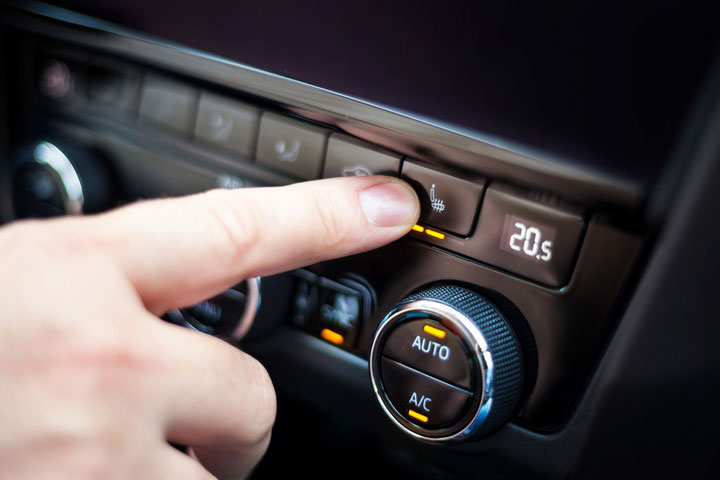
13. Temperature Control Switch
In modern vehicles, temperature control switches are used to regulate the climate inside the car. These switches are part of the heating, ventilation, and air conditioning (HVAC) system and allow drivers to adjust the temperature, airflow, and fan speed for comfort during travel.
14. Power Window Switch
Power window switches control the operation of electric windows, allowing drivers and passengers to open or close them with the press of a button. These switches are typically located on the door panels or the center console and are designed to be -friendly.
15. Keyless Entry Switch
With the rise of keyless entry systems, these switches are becoming increasingly common in modern cars. They allow drivers to lock or unlock the vehicle using a remote or key fob, enhancing convenience and security.
Conclusion
Switches are the backbone of a vehicle's electrical and mechanical systems, enabling drivers to control and monitor various functions with ease. From ensuring safety to providing convenience, these switches play a vital role in the overall performance and experience of a car. As technology continues to advance, we can expect to see even more sophisticated switches in the future, further improving the functionality and efficiency of automobiles.
